Astound the Jury: Important Components of a Powerful Test Discussion
In the realm of legal advocacy, the capacity to captivate a jury is paramount to the outcome of a trial (trial presentation). Crucial aspects such as recognizing the audience, crafting an engaging narrative, and mastering spoken and non-verbal interaction are critical parts of an efficient presentation. Furthermore, the critical use visual help can significantly enhance understanding and retention of vital debates. As these factors link, they develop a natural method that not just notifies however additionally involves jurors on numerous degrees. What certain techniques can absolutely change a typical presentation into a remarkable experience for the court?

Comprehending Your Audience
Recognizing your audience is a crucial facet of efficient trial presentation. A successful discussion depends upon the capability to realize the demographics, worths, and tendencies of jurors. This comprehension educates just how disagreements are mounted, proof is presented, and sob stories are crafted, making sure that the message reverberates with the jurors on a personal level.
Research shows that jurors come from diverse histories and may have differing levels of comprehending pertaining to legal proceedings (trial presentation). Hence, it is vital to prevent legal lingo that can alienate or confuse them. Instead, employing clear, relatable language promotes involvement and understanding. Furthermore, recognizing the jurors' potential prejudices and life experiences enables the test speaker to prepare for arguments and address problems proactively.
Efficient trial discussion additionally includes observing jurors' reactions throughout the process. Being attuned to non-verbal signs can offer insight into their interaction and understanding, allowing for real-time modifications in method. Eventually, an extensive understanding of the audience not only improves interaction yet likewise constructs rapport, boosting the probability of a positive outcome. Engaging with jurors as people instead of a collective unit is essential in promoting a solid link in the court room.

Crafting a Compelling Story
Crafting an engaging story is necessary in leading jurors with the intricacies of a case. A well-structured narrative not only simplifies elaborate legal principles however also involves jurors on a psychological level, making the details extra relatable and memorable.
To accomplish this, attorneys ought to begin by identifying the core message they want to communicate. This message needs to resonate with the jurors' values and experiences, cultivating a connection that transcends mere truths. The story should unravel logically, offering events in a clear sequence to prevent complication. This chronological approach can aid jurors adhere to the development of events, emphasizing reason and result.
Including human components-- such as personal stories or anecdotes-- can additionally enhance the story's effect. These elements stimulate compassion, enabling jurors to picture the effects of the case on realities. Additionally, utilizing a regular theme throughout the discussion strengthens the major disagreement, making it simpler for jurors to preserve crucial points.
Ultimately, an engaging story changes a trial presentation from a simple recitation of facts into a convincing story that captivates the jury, encouraging them to deliberate with both factor and feeling.
Making Use Of Aesthetic Help
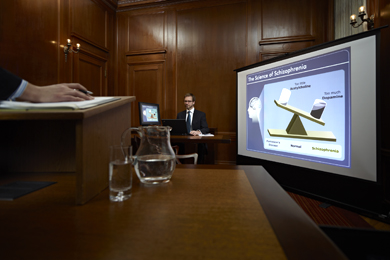
Integrating visual aids right into a test discussion can significantly enhance jurors' comprehension and retention of info. Visual materials such as graphes, representations, pictures, and videos can transform complex legal ideas and proof into easily absorbable layouts. By engaging multiple senses, these aids enable jurors to picture the situation's key aspects, making it simpler for them to comply with along and understand detailed information.
In addition, well-designed aesthetic help can highlight essential factors and emphasize relationships in between different pieces of proof. As an example, timelines can properly show the sequence of occasions, while annotated photos can clear up specific details relevant to the case. This not only aids in understanding yet additionally strengthens the narrative offered by the attorney.
Overly complex or messy visuals may bewilder jurors and detract from the message. Ultimately, efficient aesthetic interaction can be an effective device in encouraging jurors and aiding them get to informed conclusions.
Mastering Verbal Communication
Efficient spoken interaction is vital in a trial presentation, as it serves as the primary ways with which lawyers convey their debates and connect with jurors. Simpleness in language Read Full Article promotes understanding and helps jurors comprehend complex problems presented during the test.
Furthermore, tone and pacing substantially effect exactly how messages are gotten. A positive tone communicates authority, while proper pacing enables jurors to absorb information without really feeling overwhelmed. Attorneys ought to likewise differ their vocal inflections to emphasize bottom lines and keep jurors' interest throughout the presentation.
Additionally, the company of spoken debates is necessary. Structuring the narrative logically and coherently aids jurors comply with the attorney's line of reasoning, making it much easier for them to keep critical details. Utilizing convincing strategies, such as narration, can likewise enhance the psychological resonance of the debates presented, thus creating an extra extensive connection with jurors.
Ultimately, mastering spoken communication not just strengthens a lawyer's instance however also fosters trust fund and connection with the jury, significantly enhancing the opportunities of a positive verdict.

Engaging With Body Movement
Nonverbal interaction plays an important role in test discussions, often conveying messages that words alone can not share. Body language, encompassing motions, posture, face expressions, and eye call, substantially influences just how jurors perceive the credibility and genuineness of the speaker. A positive position, with shoulders back and an open posture, can impart trust, while closed-off body language might suggest defensiveness or uncertainty.
Facial expressions must reflect the emotions associated with the situation, reinforcing the story being offered. For circumstances, a sincere expression throughout a touching moment can generate empathy and reinforce the sob story. Inevitably, grasping body language is essential for efficient test presentations, as it boosts verbal interaction and establishes a compelling visibility that reverberates with the jury.
Verdict
Finally, mesmerizing the jury demands a calculated method that encompasses understanding the audience, crafting an engaging narrative, making use of visual help, mastering spoken communication, and involving via body language. Each aspect plays a vital duty visit this web-site in creating an effective trial presentation that reverberates with jurors on both psychological and intellectual levels (trial presentation). By integrating these parts efficiently, attorneys can dramatically enhance their capability to persuade and affect jury decision-making